
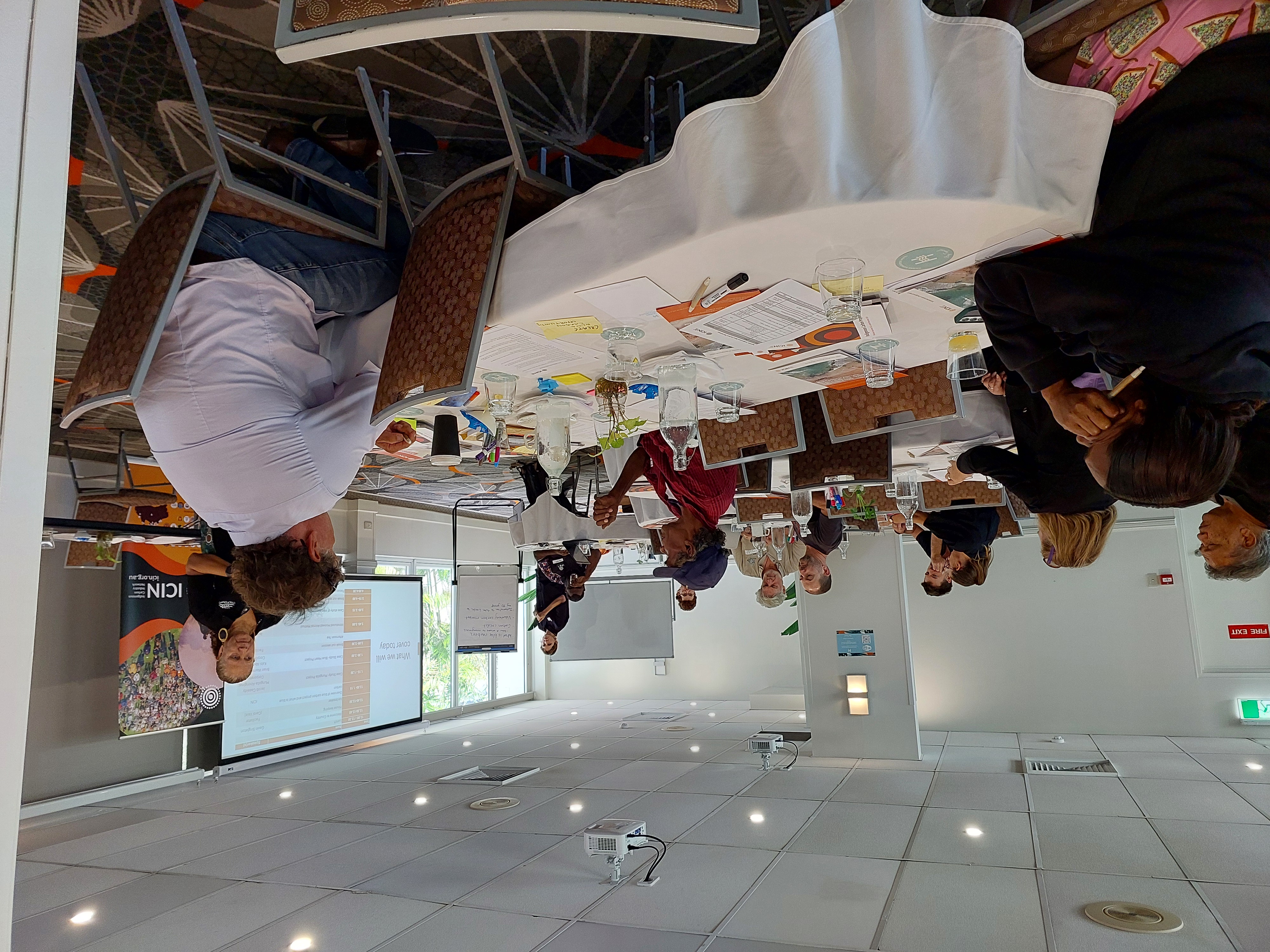
As part of our work on blue carbon and environmental markets in partnership with Charles Darwin University and the Great Barrier Reef Foundation, the ICIN team held a workshop for Indigenous groups from across Queensland in Cairns/Gimuy.
Blue carbon is the term used to describe the carbon stored in coastal and marine ecosystems, such as mangroves, salt marshes, supratidal forests and seagrass meadows. These ecosystems capture and store carbon and they can play an important role in fighting climate change. Blue carbon is also used to describe carbon projects in wetlands.
The focus of the workshop was to build understanding about risks and opportunities in blue carbon and environmental markets and hear from groups about their experiences and how they would like to be involved in these sectors in the future.
Presenters talked through carbon and voluntary methods relevant to coastal and sea country, such as the 'Tidal Restoration of Blue Carbon Ecosystems' method, and case studies demonstrating blue carbon in action.
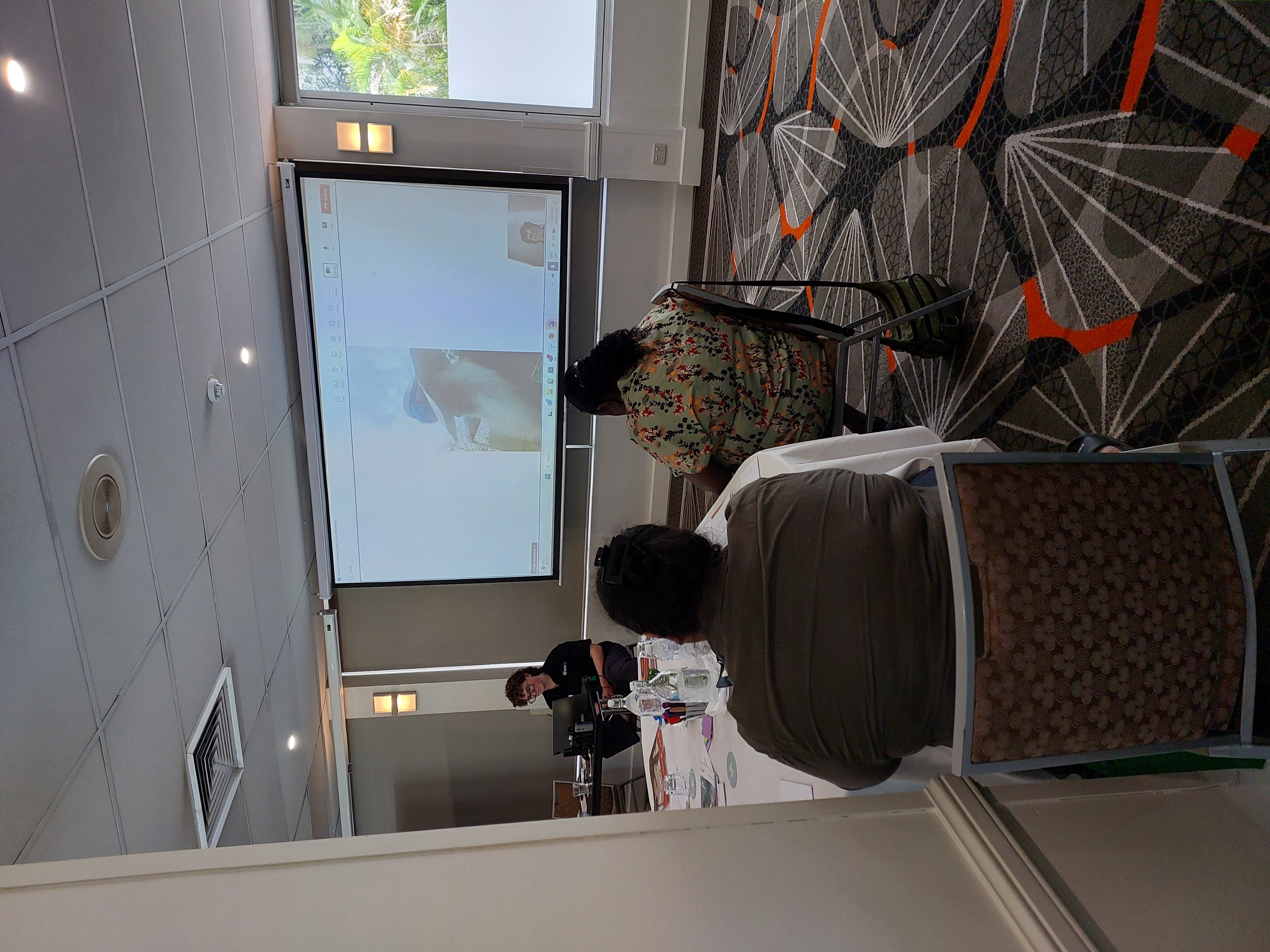
We were lucky enough to have Jacob Cassady, Nywaigi Traditional Custodian and Director of Mungalla Aboriginal Business Corporation, dial into the session, sharing with us the successes and challenges of their blue carbon project, and showing participants his beautiful Country. Thanks for your time Jacob.
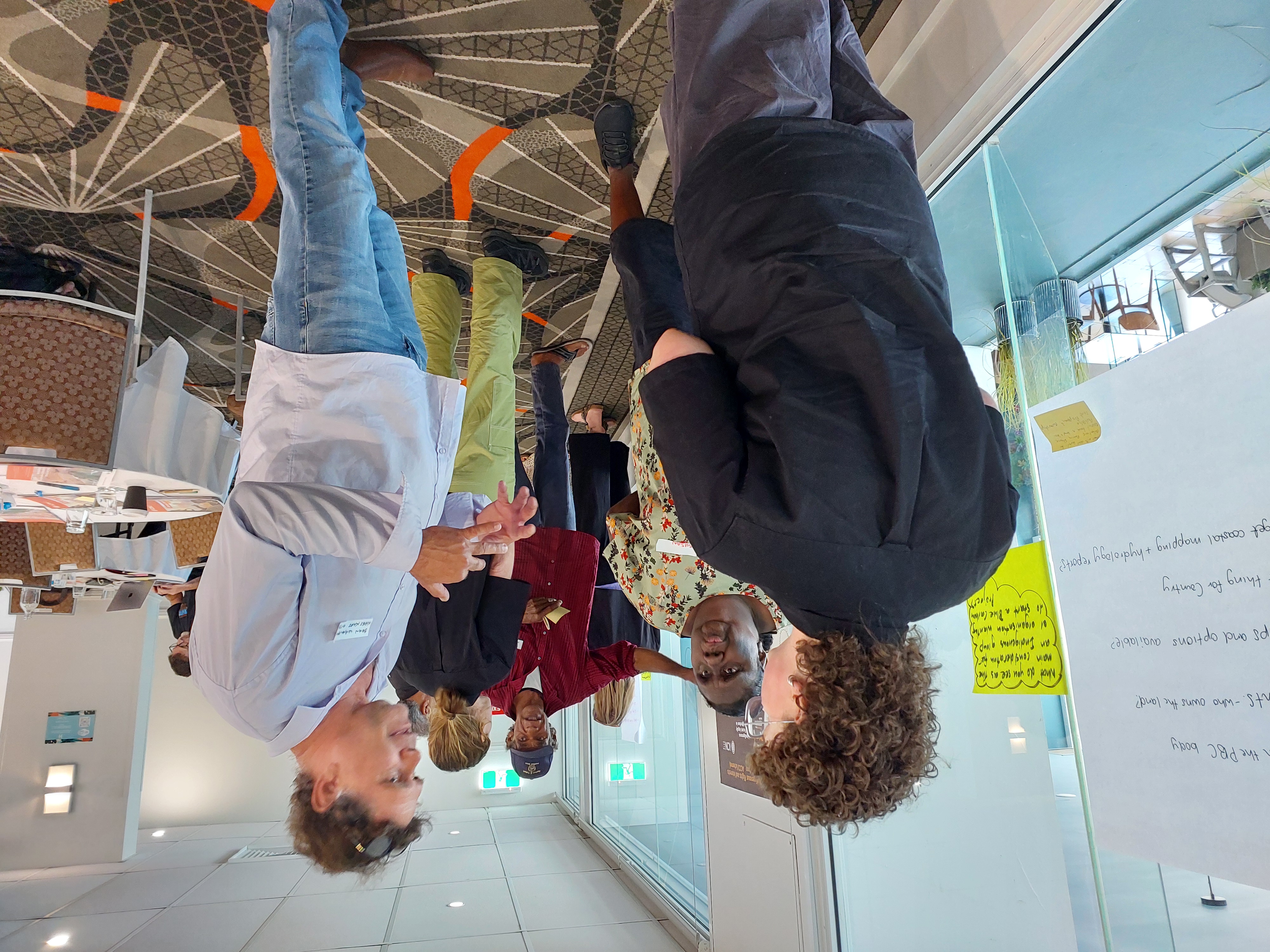
Brian Warner (pictured below, right), Director of Kabi Kabi Aboriginal Corporation, shared information about the Blue Heart blue carbon project run by the Sunshine Coast Council with Kabi Kabi, which is protecting and managing the Maroochy floodplain
Participants also heard from Dr Justin Perry, Research Manager, NAILSMA and Jack Hill, PhD student, School of the Environment, University of Queensland aboutthe Reduce emissions by managing introduced hooved animals (ungulates) in wetlands method, which is in development.
Mr Hill talked through the details of the method and described the damage caused by introduced hooved animals (pigs, buffalo and feral cattle) and how action like fencing and culling can reduce impacts on wetlands. Dr Perry presented on results of the pilot projects being done in different regions to test the method and ran through the proposed steps for registering a project once the method is available.
This method will be applicable to wetlands once it is available and it is expected that several of ICIN's members may be able to apply this method to their country. Information on this method development process can be found here.
Feedback from this workshop is being used to inform policy recommendations in ICIN’s next iteration of our blue carbon report and communication products on blue carbon, including an animation video. An in-depth explanation of blue carbon and the opportunities for Indigenous people in Australia can be found on our website here.
Thank you to The Great Barrier Reef Foundation, NAILSMA, Charles Darwin University, and the National Environmental Science Program for supporting this work.