ICIN was pleased to present on the economic, social and environmental benefits of the Indigenous carbon industry in the key forum program at Garma.
The ICIN session was titled: Standing Firm on Our Country, and had the following blurb: First Nations have forever stood firm for Country, caring for it, nurturing it, and in turn being cared for and nurtured. In the past landowners were made powerless as damage and desecration was visited on traditional lands, some of this never to be repaired or recovered. Today, there is a new generation of land-managers who are caring for land with ancient knowledge in the modern economy, as Australia shifts towards an economy with net-zero greenhouse gas emissions.
Garma Festival, hosted by the Yothu Yindi Foundation, is an annual cultural festival initiated by the Gumatj clan at Gulkula in East Arnhem Land, which brings together political leaders with Indigenous communities to discuss critical policy issues and elevate Indigenous self-determination, made famous through Yothu Yindi’s landmark song of the 1980s – ‘Treaty’!
It is a landmark event celebrating recognition of Indigenous rights and interests in Australia, bringing together politicians with Indigenous leaders and advocating for Indigenous led economic development. For more on the history of the Yothu Yindi Foundation, the Yirrkala Bark Petitions and Garma, please see here.
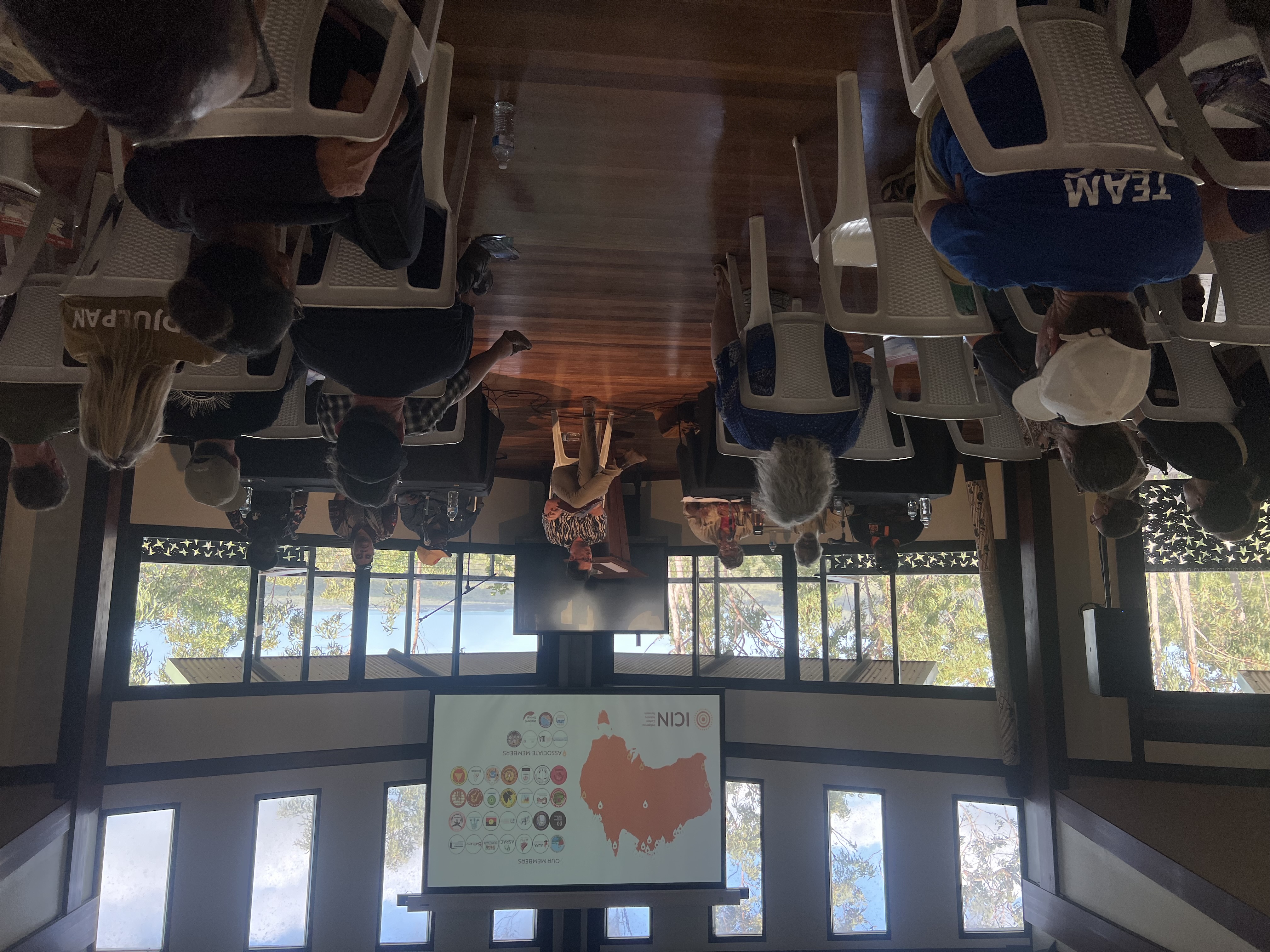
The Indigenous Carbon Industry Network was proud to present a session at Garma ‘Standing Firm on our Country’ spotlighting how Indigenous-led Indigenous owned and Indigenous managed carbon projects were bringing benefits to local Indigenous communities. The session came off the back of announcements by the Prime Minister of its First Nations Economic Development agenda, which surprisingly made no mention of Indigenous land and sea management or the Indigenous carbon industry.
Featuring on the panel was:
- Cissy Gore-Birch OAM (Jaru/Gija), Co-Chair ICIN
- Dr Dean Yibarbuk (Gurrgoni), Co-Chair ICIN
- Teddy Bernard (Kokoberra) – Director ICIN and Kowanyama Aboriginal Shire Deputy Mayor
- Yinimala Gumana (Yolgnu) – Laynhapuy Homelands Aboriginal Corporation
- Tristin Maroney and Levina Woodbury (Jawoyn) – Jawoyn Association Aboriginal Corporation
Cissy Gore-Birch OAM opened by saying:
“It is an incredible privilege to be at Garma for the first time, and to talk to the important work that the Indigenous carbon industry is doing, through Indigenous-owned and led carbon projects,” said Cissy Gore-Birch OAM.
Speakers on the panel highlighted the economic benefits of their projects, and how these benefits are multiplied through the fact that the projects are directed and controlled by Indigenous people, including through investment in local infrastructure, schools, and land management programs, all areas that, as Ms Gore-Birch pointed out ‘are typically funded by government, but are not properly serviced in Indigenous remote communities’.
She pointed out how members are ‘filling the gap left by governments’ through the independent revenue they receive from the sale of carbon credits that are generated by protecting Country from hot fires by applying cool fire to the right places at the right time of year.
Dr Dean Yibarbuk explained the history of the region, and that because people were moved off their country through colonisation and the establishment of missions in Arnhem Land, there was no one actively managing the country, and hot fires began to sweep the landscape each year. In the 1990s, Dean worked with Elders and scientists to measure the emissions from hot fires and establish the first Indigenous carbon project, the West Arnhem Land Fire Abatement project in 2006, and form Warddeken Land Management, owned by eight clan group Traditional Owners of West Arnhem Land.
In 2012, Traditional Owners formed Arnhem Land Fire Abatement NT to support seven Indigenous owned savanna fire management projects across Arnhem Land. In 2018, Wardekken and eight other Indigenous land and sea management groups formed a Steering Committee to establish the Indigenous Carbon Industry Network, which was formally registered as a charity owned by 23 Indigenous organisations in 2021.
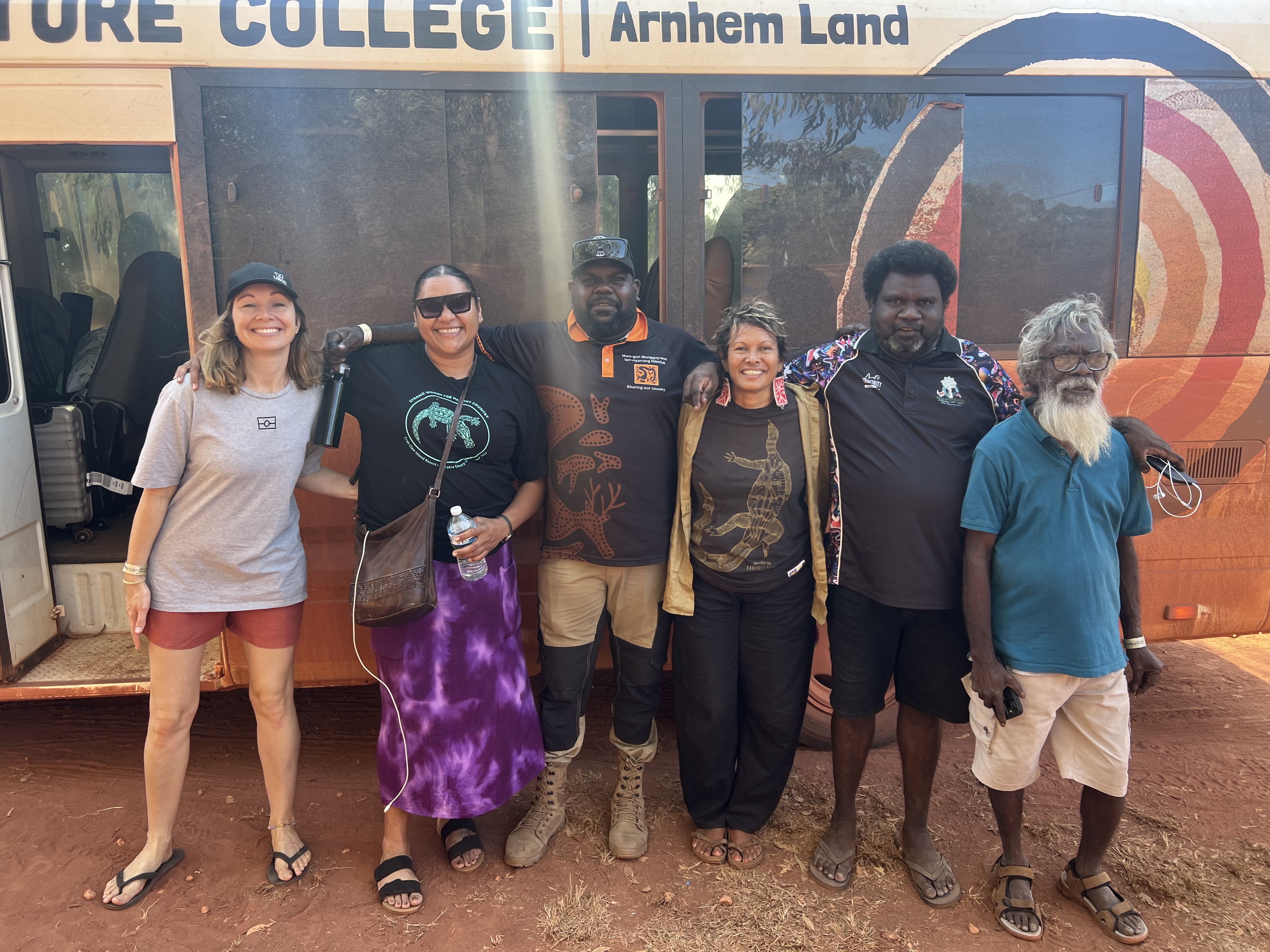
ICIN Board Director Teddy Bernard, and ICIN members Yinimala Gumana from Laynhapuy Homelands Aboriginal Corporation, Tristan Maroney from ALFA and Levina Woodbury from Jawoyn Association Aboriginal Corporation shared their on-the-ground experiences of running projects across both savanna fire management and blue carbon methodologies.
"I work in local government, and often funding we receive is linked to different projects. What is excellent about the carbon funds we generate is that it's not linked to a particular project, and we can see what is most needed in the community and use it there," said Teddy Bernard.
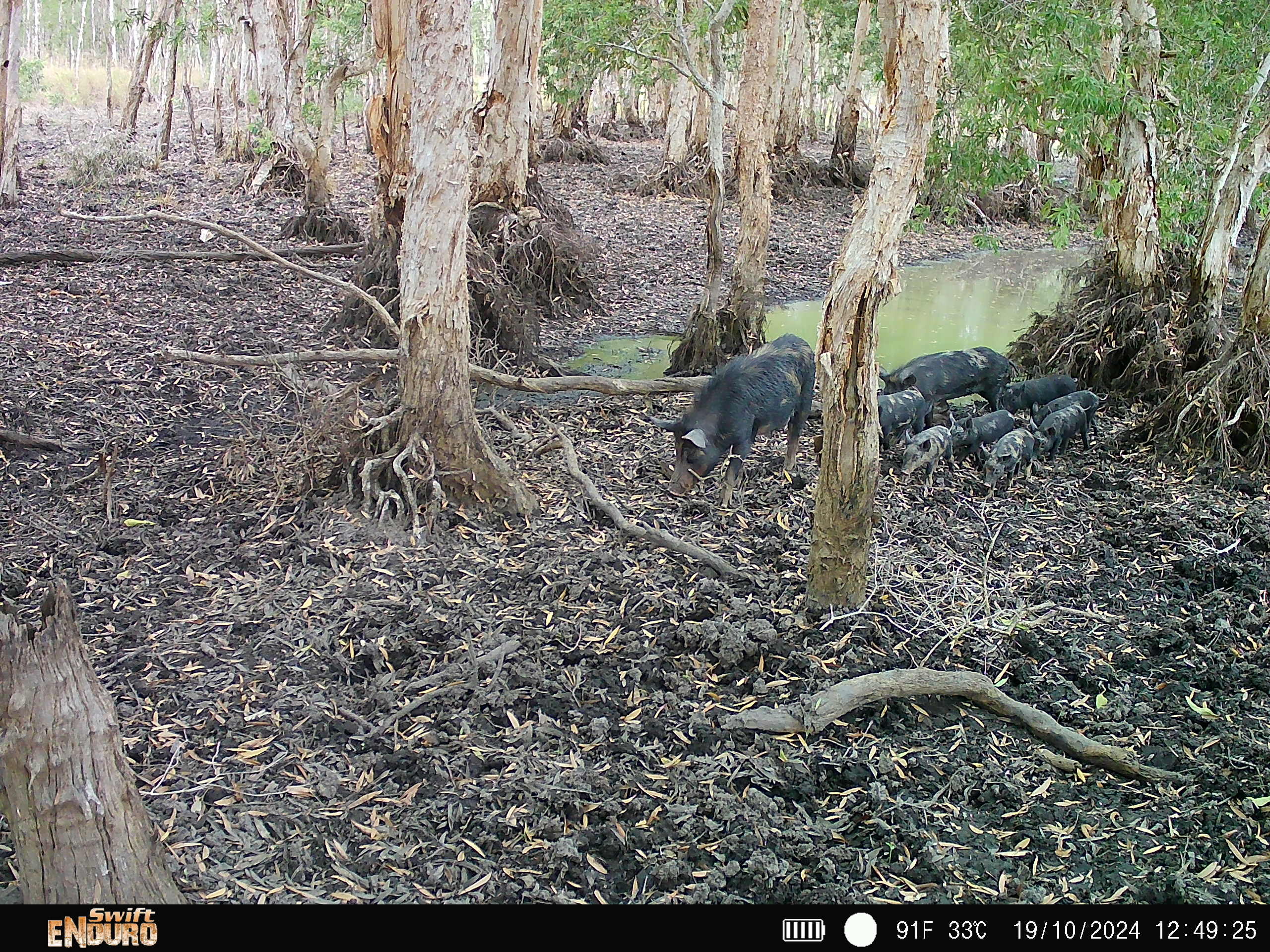
"It's important that people working on the ground doing the hard work are getting paid," said Yinimala Gumana, who shared his experience of the damage caused by hard-hoofed introduced animals in his country and their efforts to control this damage (see photo below).
Earlier in the day, Kimberley Land Council (KLC) CEO Tyronne Garstone presented on a different session about economic development, pointing out how KLC support four ICIN member organisations in the Kimberley region.
“We have created our own opportunities from a cultural practice, through savanna fire management carbon projects. The Kimberley Land Council supported four Traditional Owner groups to register carbon projects in 2011, that are creating opportunities for future generations through raising carbon credits from reducing hot fires across the Kimberley savanna,” said Tyronne Garstone.
We thank the Yolŋu people for generously hosting us on their beautiful escarpment at Gulkula, and for sharing their rich culture with Garma attendees. We congratulate the Yothu Yindi Foundation on an excellent 25th anniversary event, what an achievement.
The Garma program.